The aesthetic goal is becoming quieter
One of the most noticeable changes in aesthetic culture is that many patients no longer want a procedure to be obvious.
They want to look rested.
They want to look healthy.
They want friends to notice that they look good—not to ask what they had done.
“Quiet luxury” is not a medical technique. It is a useful description of that aesthetic preference.
What does it look like in practice?
It may mean:
- a jawline that is defined without looking sharp or artificial;
- a facelift that restores position without changing identity;
- breast augmentation that is proportionate to the chest;
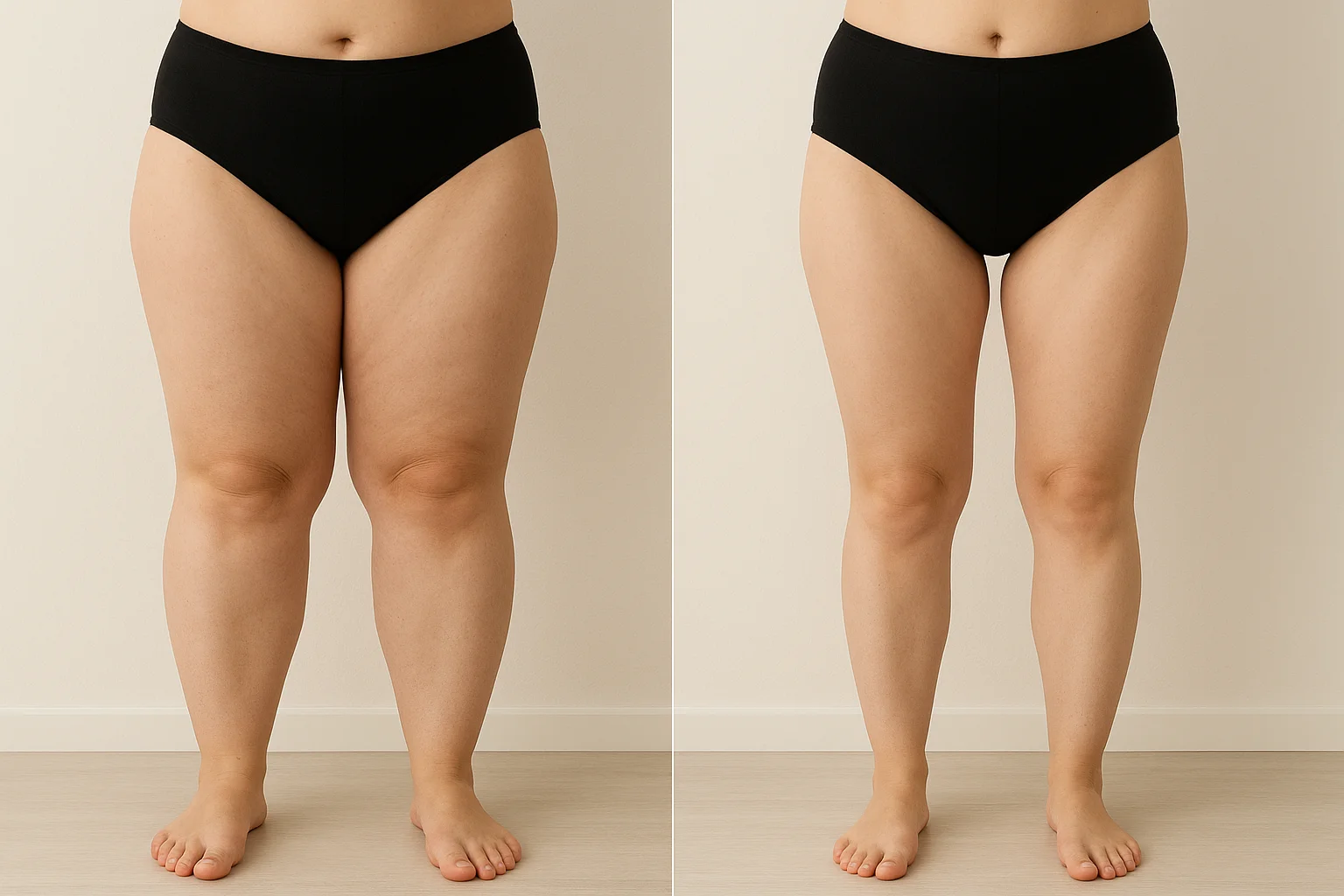
- body contouring that improves shape without exaggeration;
- skin treatment that improves quality without creating an overfilled appearance.
Why is this changing?
Patients have become more sophisticated.
They have seen excellent results online, but they have also seen over-treatment.
Current professional discussion of 2026 aesthetic trends emphasizes preservation, regeneration, subtle surgery, smaller implants and individualized planning. ASPS — Plastic Surgery Trends for 2026
“Natural” does not mean “nothing was done”
A meaningful surgical result can still be subtle.
The surgeon may reposition tissues, restore lost volume, remove excess skin or improve body proportions.
The difference is that the intervention is designed around the patient’s anatomy rather than a generic aesthetic template.
Why restraint is part of expertise
Every procedure has tradeoffs.
The most experienced approach is not necessarily to do more.
Sometimes the most important recommendation is what not to do.
That may mean choosing a smaller implant, declining unnecessary filler, staging procedures, or explaining that a requested result is not anatomically realistic.
The bottom line
Quiet-luxury aesthetics is ultimately about proportion and restraint.
The highest compliment may not be, “Your surgery looks amazing.”
It may simply be:
“You look really good.”
Educational information only. Individual treatment decisions require a qualified physician.