Lipedema Treatment
Comprehensive treatment for lipedema, a chronic condition causing abnormal fat accumulation, with both surgical and conservative treatment options.
Understanding Lipedema
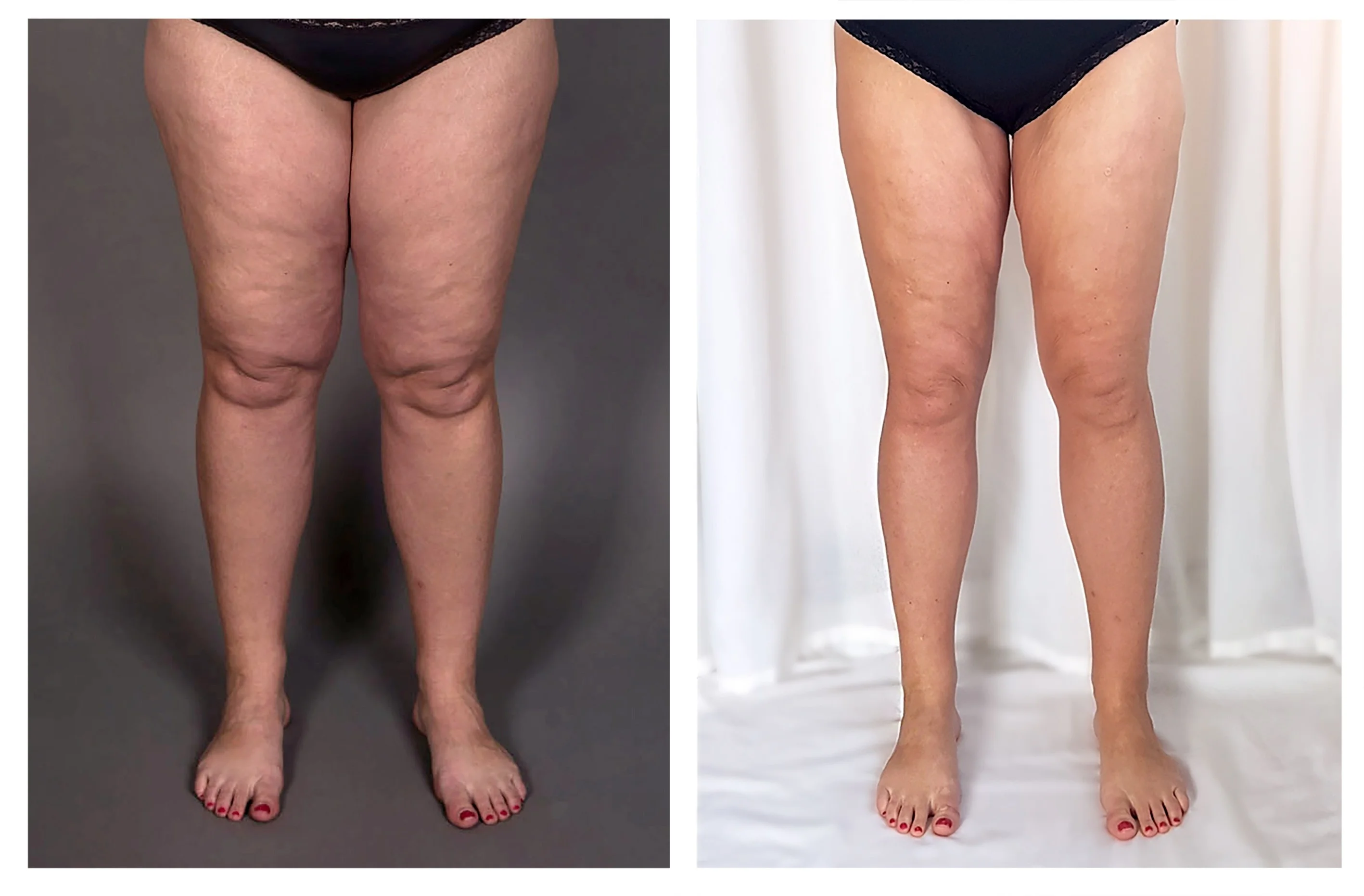
Lipedema is a chronic condition characterized by the abnormal accumulation of fat, primarily in the legs and sometimes the arms. This condition predominantly affects women and is often misdiagnosed as obesity or lymphedema. Dr. Georgina Nichols provides comprehensive treatment options to help manage this condition and improve quality of life.
Our approach combines both conservative treatments and advanced surgical techniques, including tumescent liposuction, to address the unique challenges of lipedema and provide lasting relief from symptoms. If diet and exercise have not changed your legs, read when diet won't fix your legs: lipedema signs and lipedema after 40 and hormonal timing.
Before you choose surgery
Every procedure carries risks—including bleeding, infection, scarring, anesthesia complications, blood clots, and outcomes that may not match expectations. Only an in-person consultation and medical evaluation can determine whether you are a candidate and which technique is appropriate.
If you have already had surgery elsewhere and develop fever, rapidly worsening pain, chest pain, shortness of breath, or one-sided leg swelling, seek urgent medical care.
Patient reviews Before & after gallery Schedule a consultation
Consultation planning checklist for Lipedema Treatment
A strong consultation is not only about candidacy. It should define your surgical priority, realistic contour or symmetry goals, and the tradeoffs between scar placement, downtime, anesthesia exposure, and long-term maintenance.
Bring your medical history, recovery constraints, and timeline targets so your plan can be tailored to daily life demands. If multiple procedures are possible, ask which option best protects safety while still matching your aesthetic priorities.
- Ask what result is realistic for your anatomy, not just idealized reference photos.
- Confirm how pain control, mobility limits, and follow-up schedule will be handled.
- Review what would require revision, and how staged planning changes recovery burden.
Treatment Options
Conservative Treatments
- Manual Lymphatic Drainage (MLD): Specialized massage to stimulate lymphatic flow
- Compression Therapy: Compression garments to reduce pain and swelling
- Exercise Programs: Low-impact activities to improve circulation
- Nutritional Counseling: Anti-inflammatory diet to manage symptoms
Surgical Treatments
- Tumescent Liposuction: Advanced technique to remove abnormal fat deposits
- Reductive Surgery: Removal of large fatty deposits and excess skin
- Water-Assisted Liposuction: Specialized techniques for lipedema-specific fat
Benefits of Lipedema Treatment
Pain Relief
Significant reduction in pain, tenderness, and discomfort
Improved Mobility
Enhanced ability to move and perform daily activities
Better Quality of Life
Improved self-confidence and overall well-being
Recovery Process
First 24-48 Hours
Rest and follow post-operative care instructions, wear compression garments
First Week
Light activities, continue compression therapy, monitor healing
2-4 Weeks
Gradually increase activity level, follow-up appointments
6+ Weeks
Full recovery, final results visible, ongoing maintenance care
Frequently Asked Questions
What is the difference between lipedema and regular fat?
Lipedema fat is different from regular fat - it's resistant to diet and exercise, often painful, and has a characteristic 'pebbly' texture. It typically affects both legs symmetrically and can cause easy bruising and tenderness.
Can lipedema be cured with diet and exercise?
While diet and exercise are important for overall health, lipedema fat is resistant to traditional weight loss methods. However, maintaining a healthy lifestyle can help manage symptoms and prevent progression.
What is the recovery time for lipedema surgery?
Recovery time varies depending on the extent of treatment. Most patients can return to light activities within a week and normal activities within 4-6 weeks. Compression therapy is typically required for several months post-surgery.
Will lipedema come back after treatment?
While lipedema cannot be completely cured, proper treatment can significantly improve symptoms and quality of life. Ongoing maintenance, including compression therapy and lifestyle management, helps prevent recurrence.
Ready to Address Your Lipedema?
Schedule your personalized consultation with Dr. Georgina Nichols to discuss your lipedema symptoms and learn about the best treatment options for your specific needs.